The History
The hospital and the original church, dedicated to the Tuscan virgin Santa Zita, were founded in the early 14th century by a merchant of Lucchese origin. In 1428, an heir of this merchant donated the entire complex to a group of Dominicans who had separated from the nearby convent of San Domenico. The new community completed the renovation of the previous building in 1458.
At the beginning of the 16th century, it became customary to grant burial spaces within the sacred sites to wealthy families. This practice provided the religious orders with income for the maintenance, management, and embellishment of the churches.
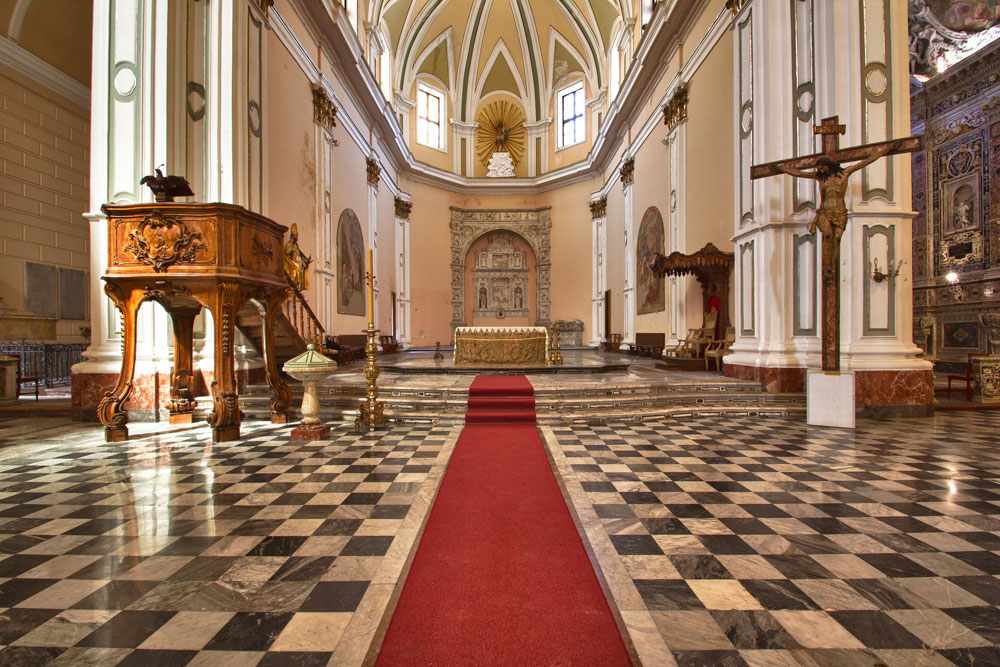
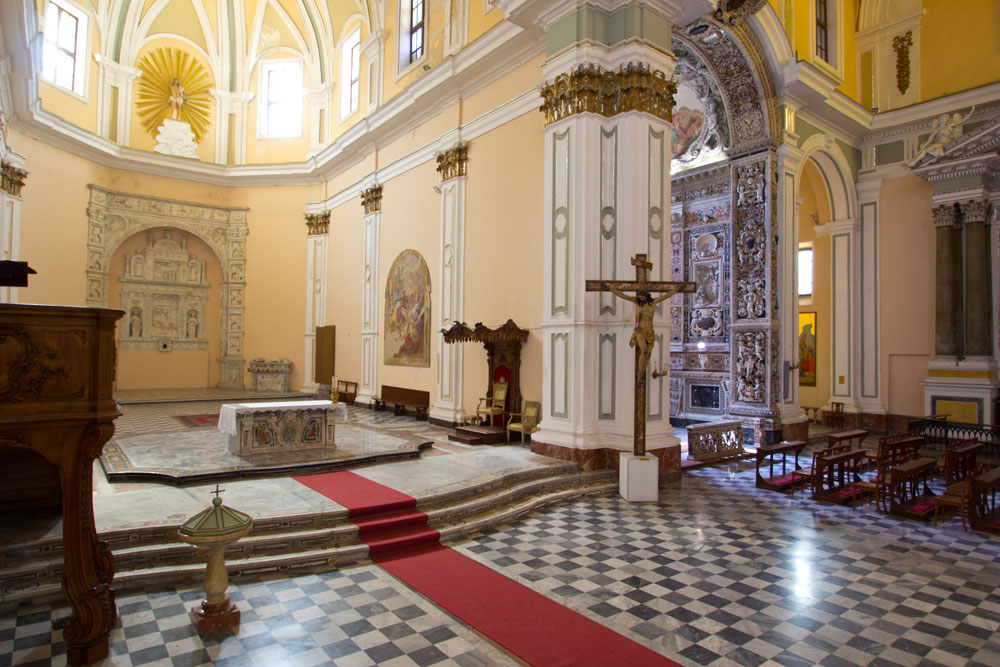
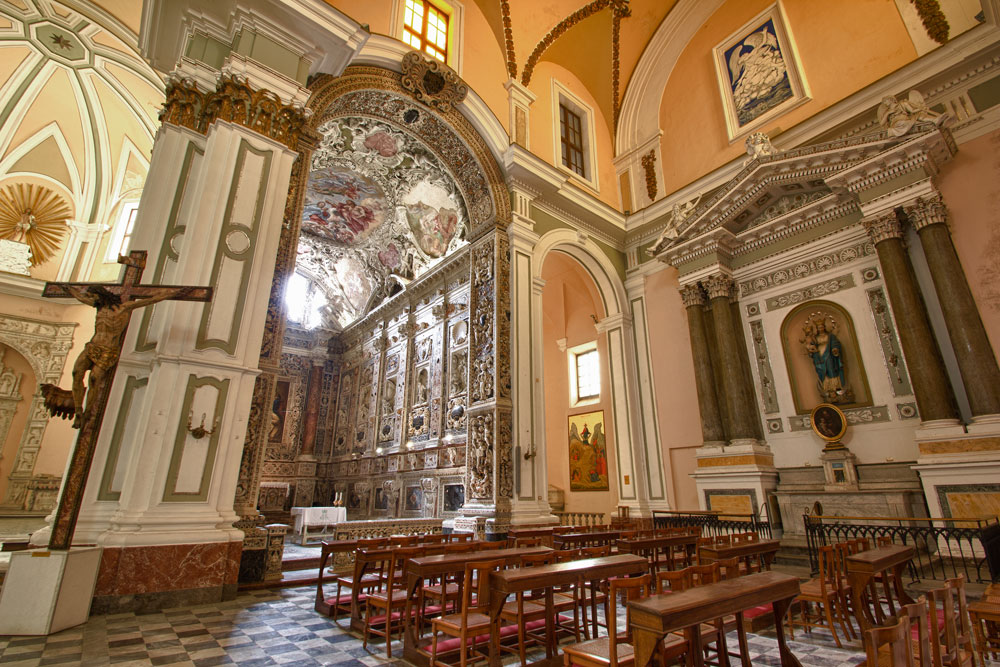
However, the true reconstruction only took place in the last quarter of the 16th century. The new, grandiose three-nave church, designed by the architect Giuseppe Giacalone, was built by acquiring and even sacrificing the adjacent Church of the Holy Forty Martyrs of the Pisan nation.
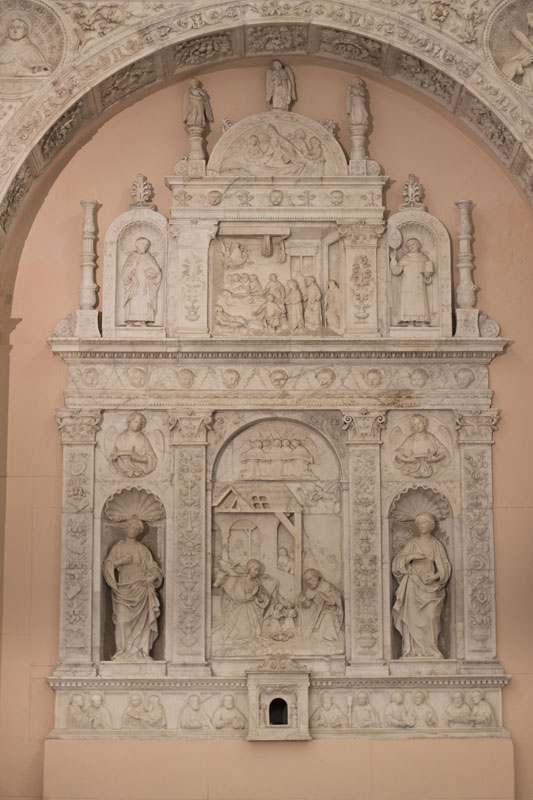
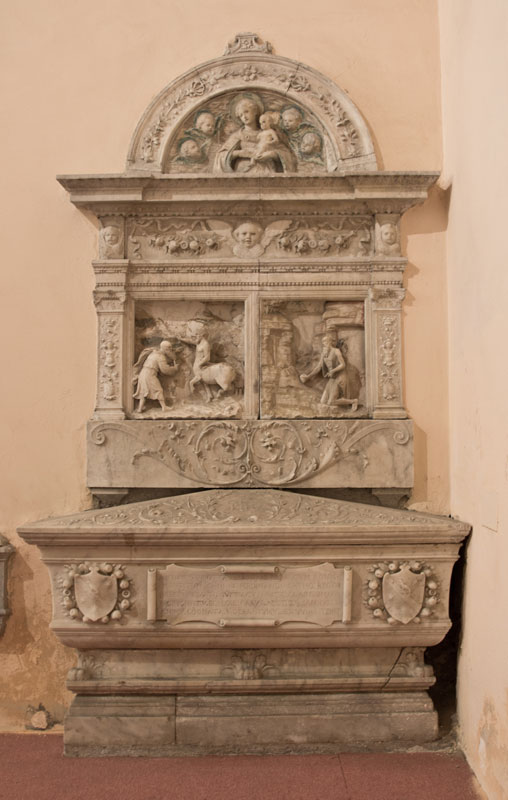
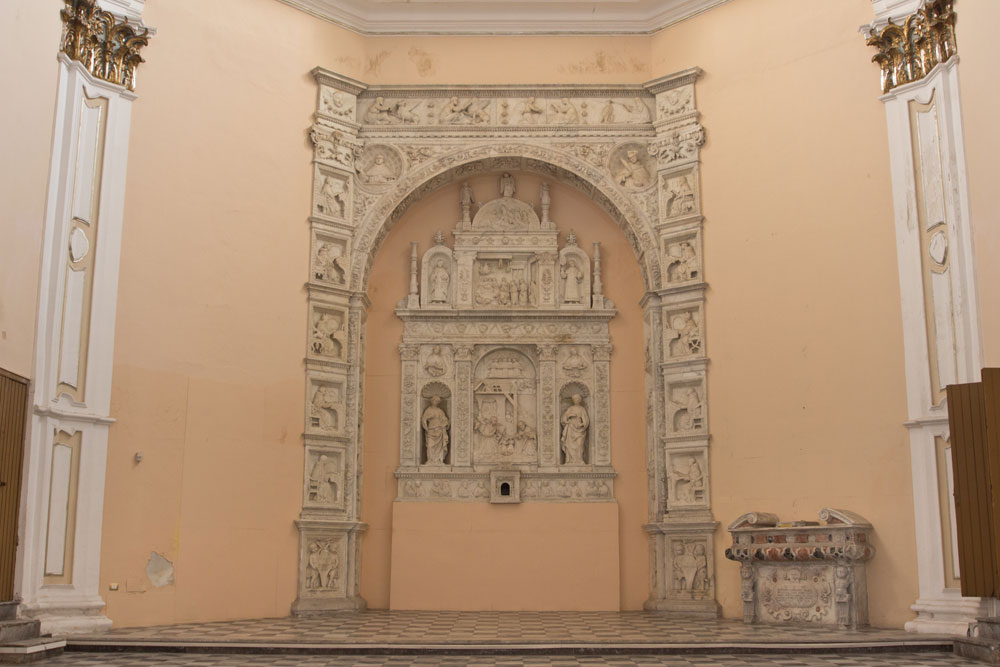
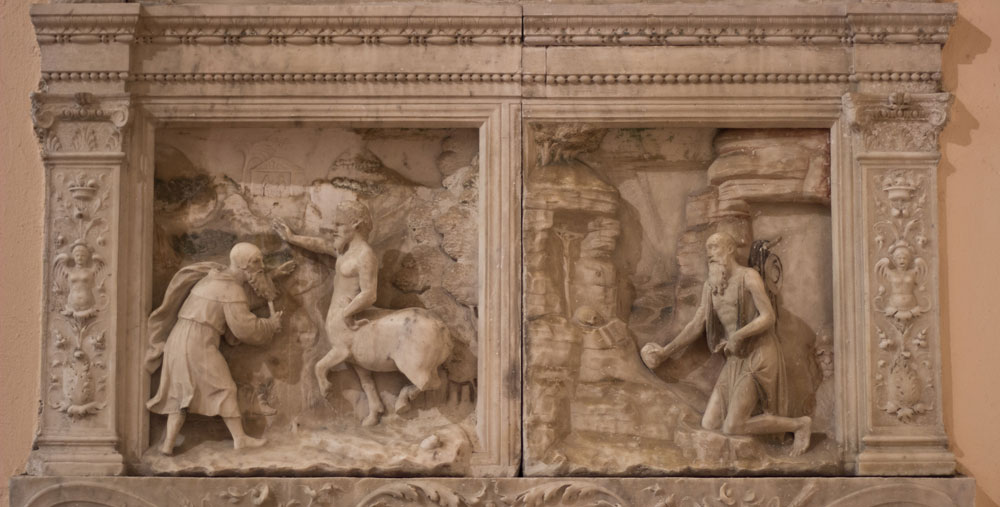
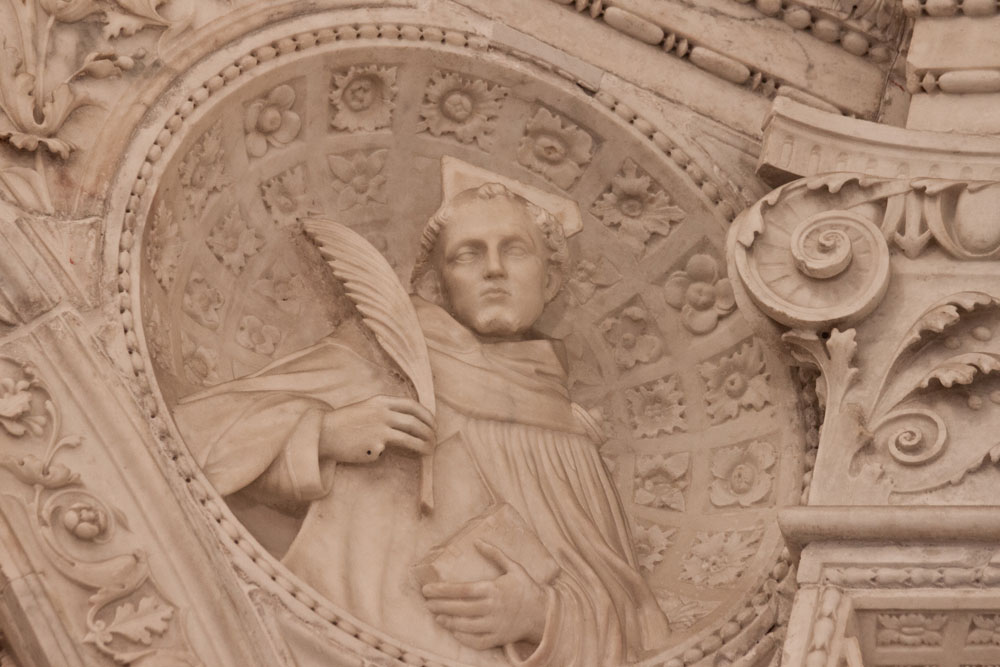
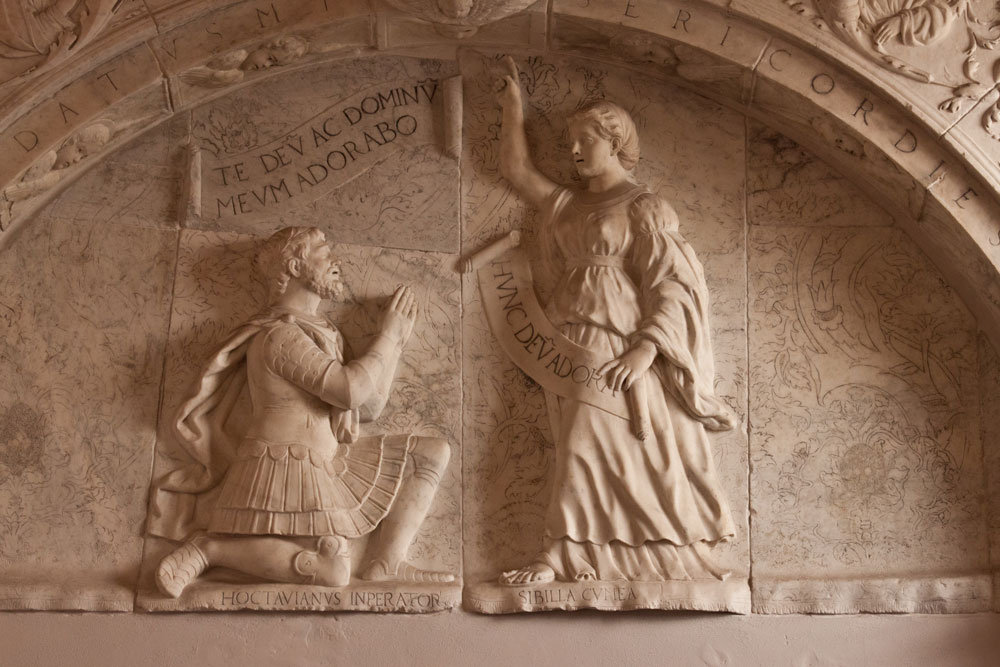
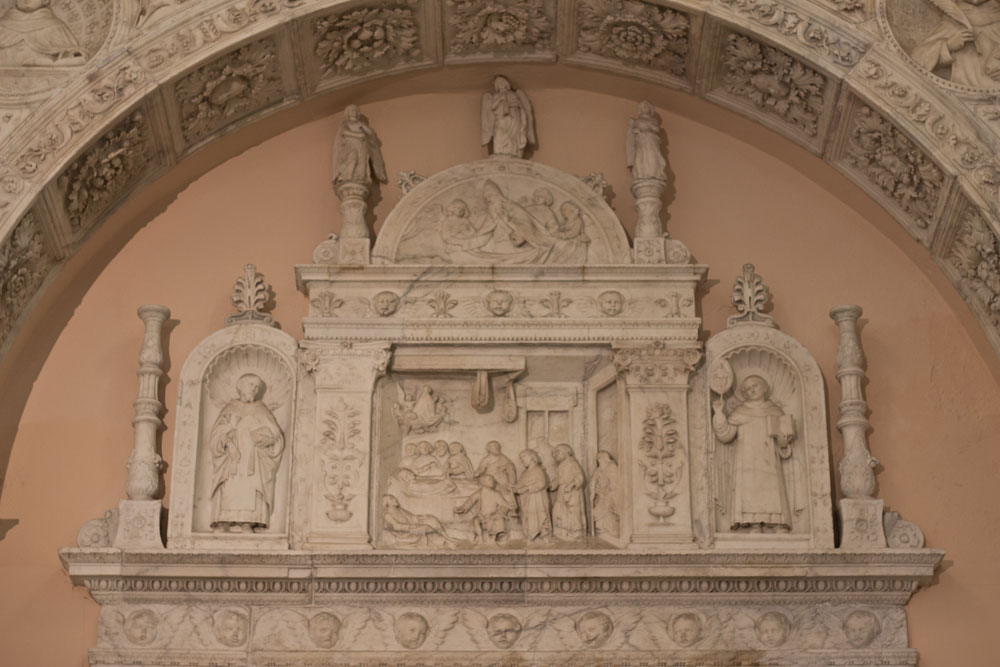
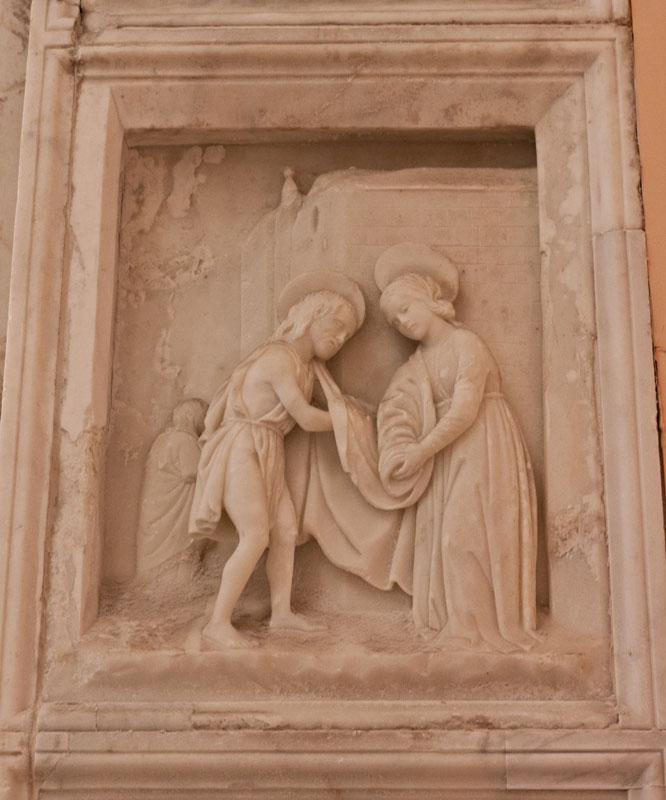
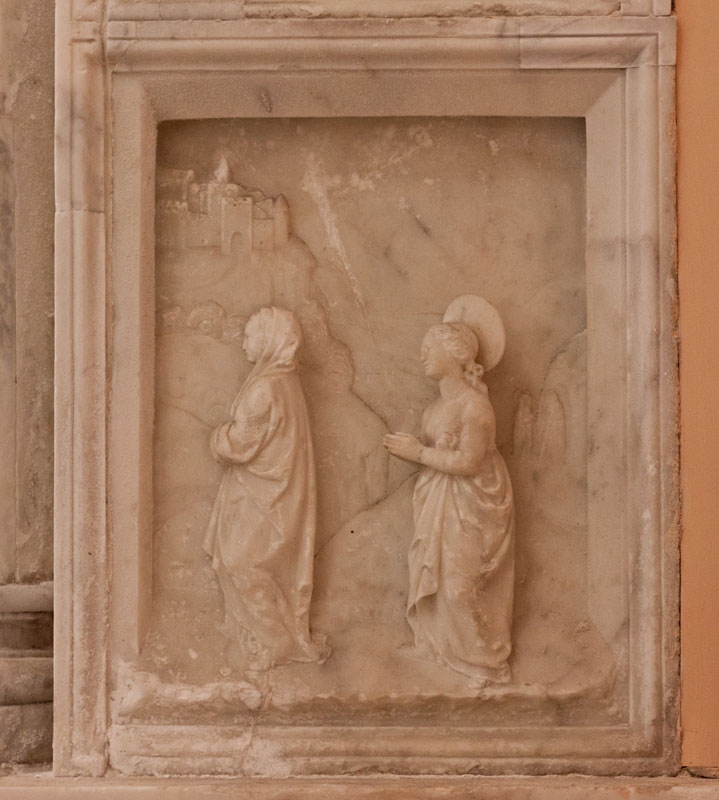
Works by Antonello Gagini, one of the greatest Sicilian sculptors of all time, are still in situ: the chancel and the arch of the main chapel, originally created for the previous church and decorated with scenes from the life of the Saint; and also the chancel and the arch of the Platamone Chapel, the funerary monuments of Blasco Lanza, Caterina Cardona-Platamone, and Antonio Scirotta. Some important panel paintings by Vincenzo da Pavia that adorned the altars are now preserved in the Regional Gallery of Palazzo Abatellis.
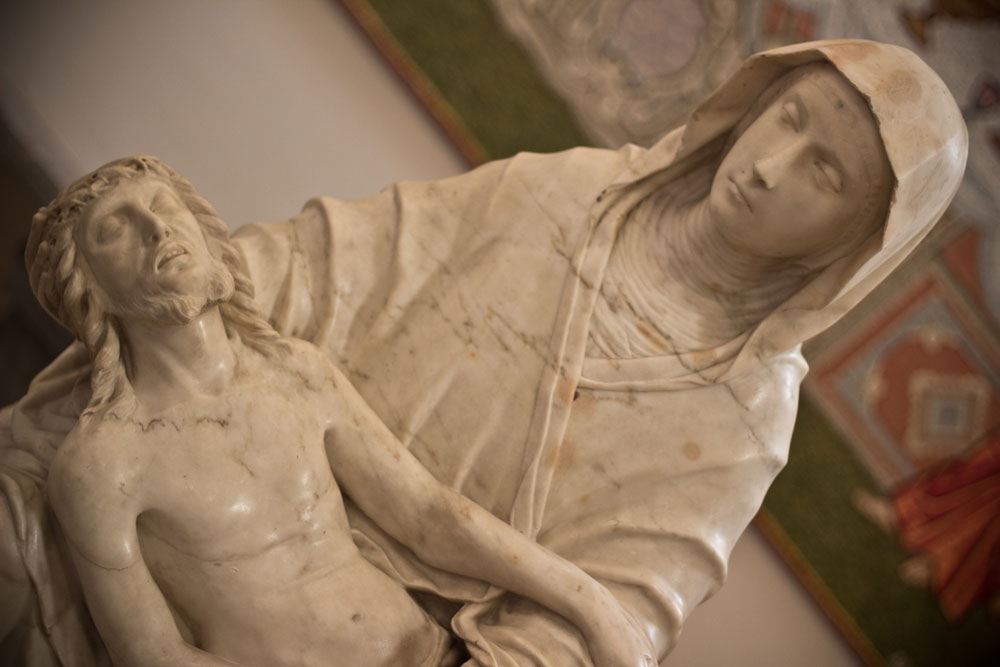
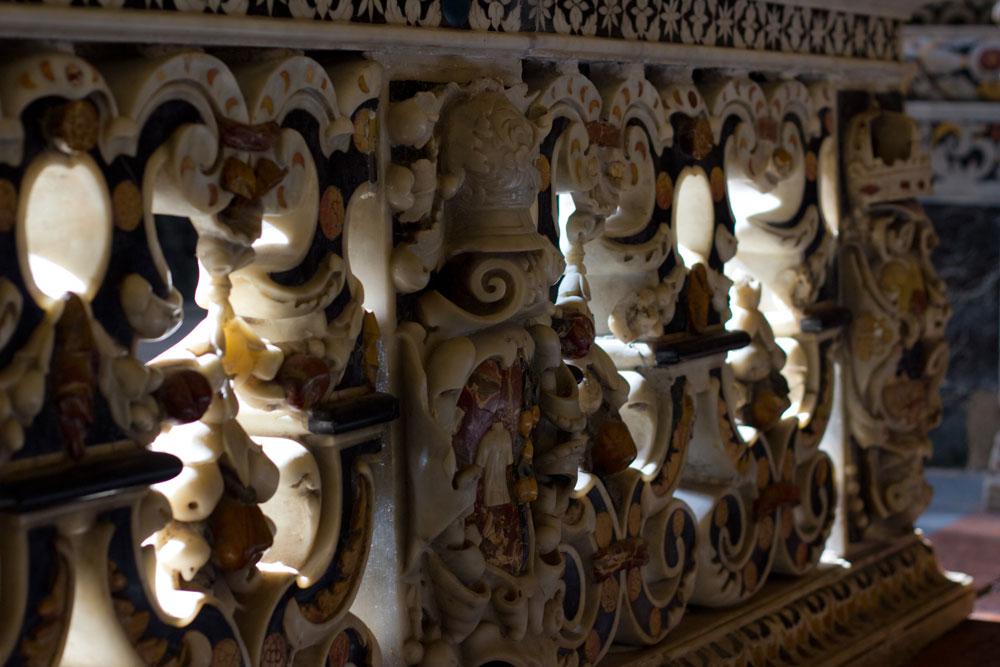
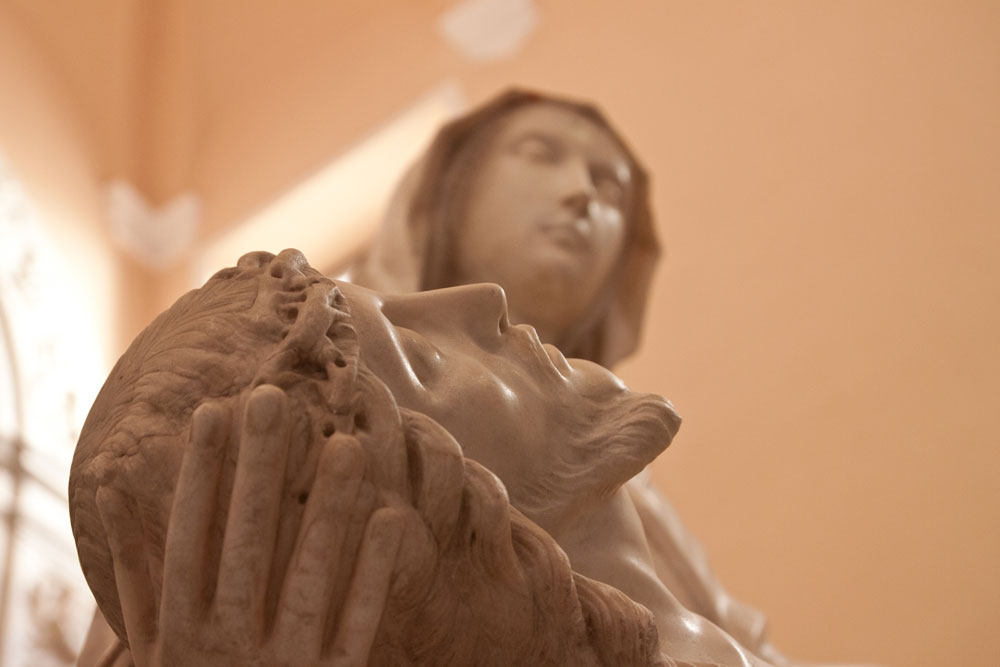
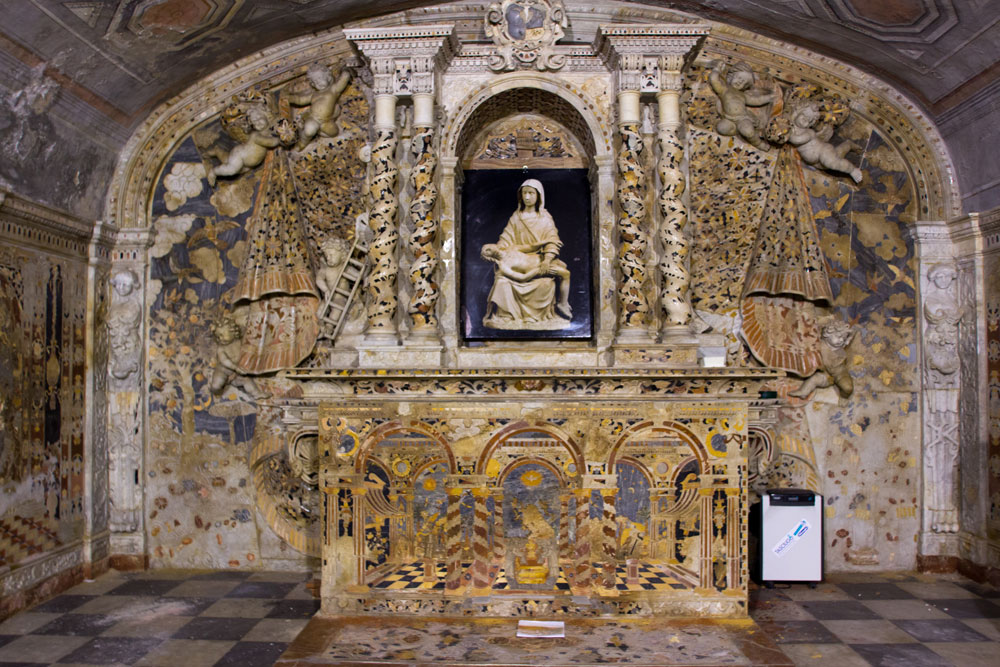
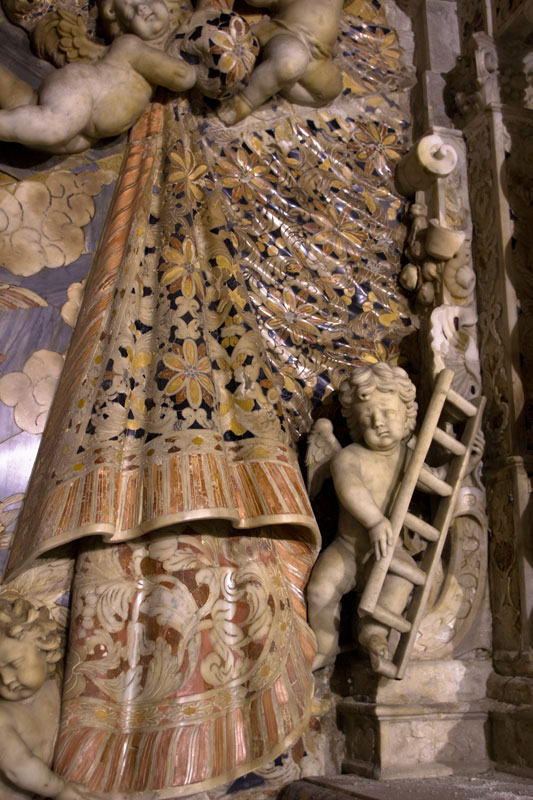
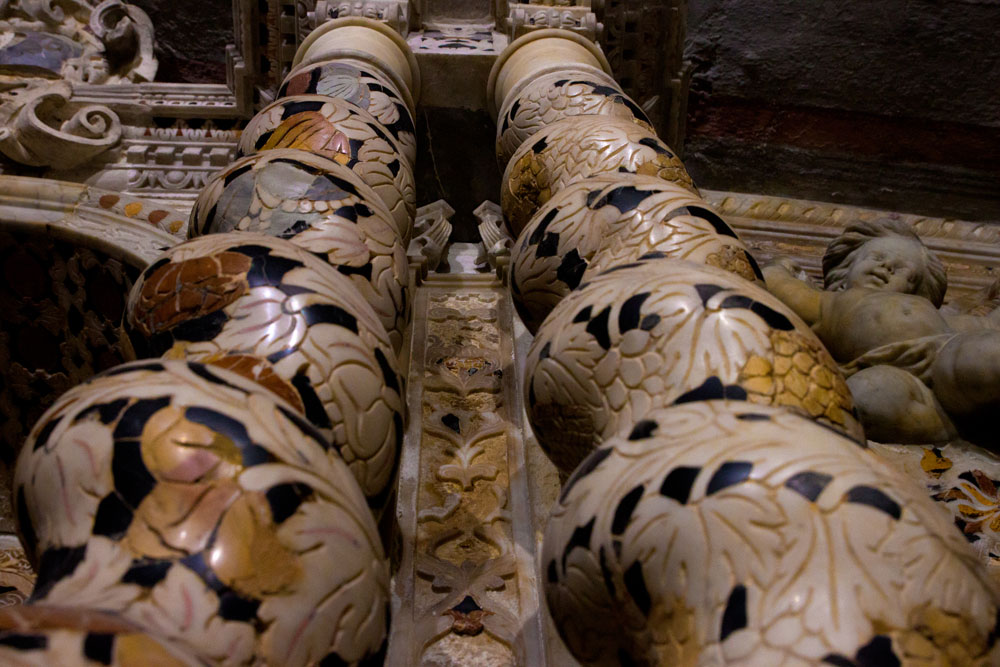
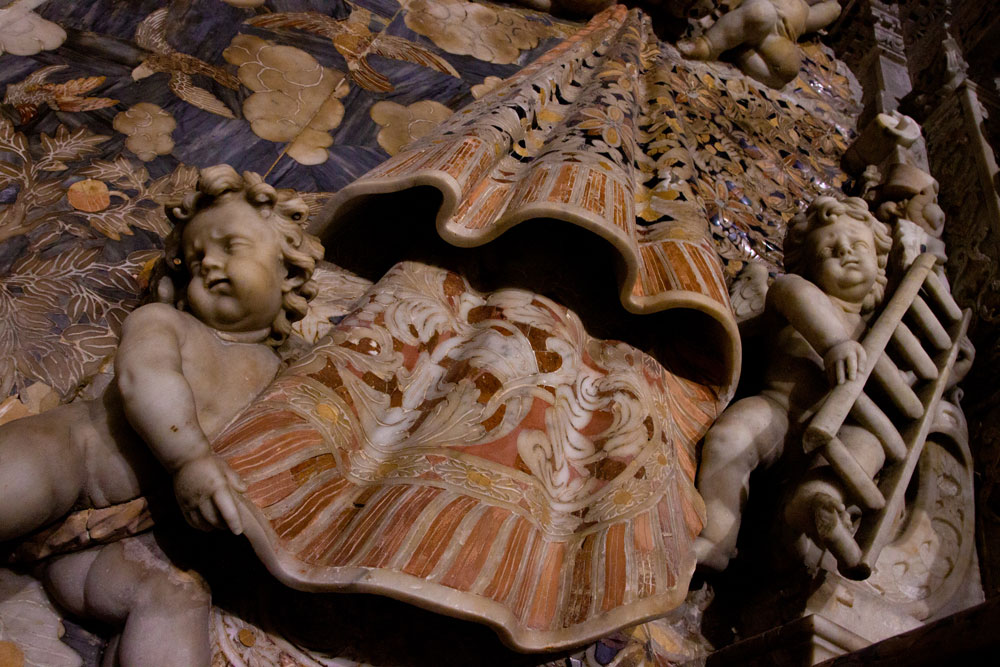
Despite the severe damage to the building from the last war, the magnificent Chapel of the Rosary is still visible in the transept. It was intended to house the burials of the confraternity members, with walls decorated with "mischio" marble, and the Joyful and Sorrowful Mysteries, works by Gioacchino Vitagliano. The vault, frescoed by Pietro dell'Aquila, illustrates the Glorious Mysteries. The Chapel of the Crucifix also remains, which was granted in 1614 to Ottavio and Giovanna Lanza di Trabia. They were allowed to open a crypt adorned with wall decorations, an altar frontal in "mischio" marble, and a beautiful 15th-century Pietà recently attributed to Giorgio da Milano. The Church of Santa Cita, now the seat of the parish of San Mamiliano, preserves an important altarpiece from 1603 by Filippo Paladini depicting Saint Agnes of Montepulciano.
Where is St. Mamilian


Opening hours
Mostra Spazio Umano:
To be determined.
Photo gallery