The History
The Company of the Most Holy Rosary in Santa Cita was founded in 1570 after a split with the company of the same name based in San Domenico, and it inaugurated its own oratory in 1686. The company, which was among the wealthiest and most prestigious, was bound by a strict code of conduct and dedicated itself to charitable works and the remission of sins through plenary indulgences.
Giacomo Serpotta
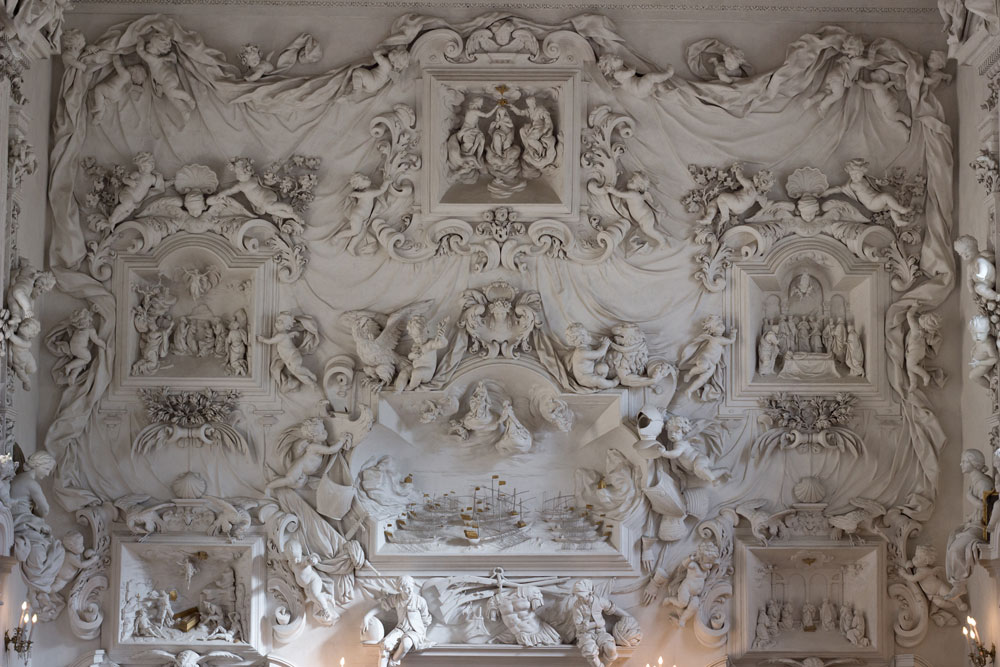
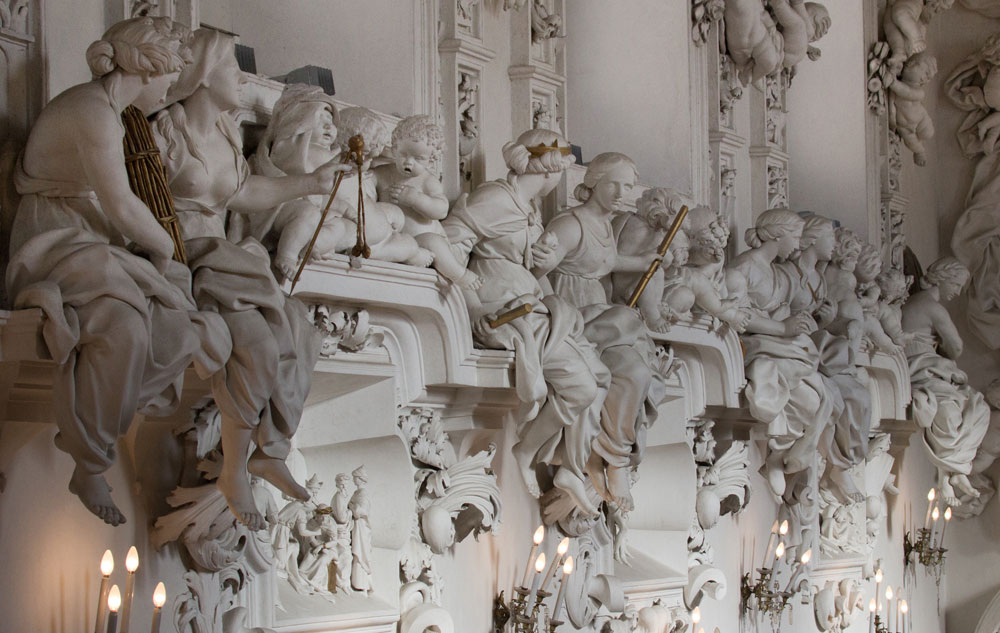
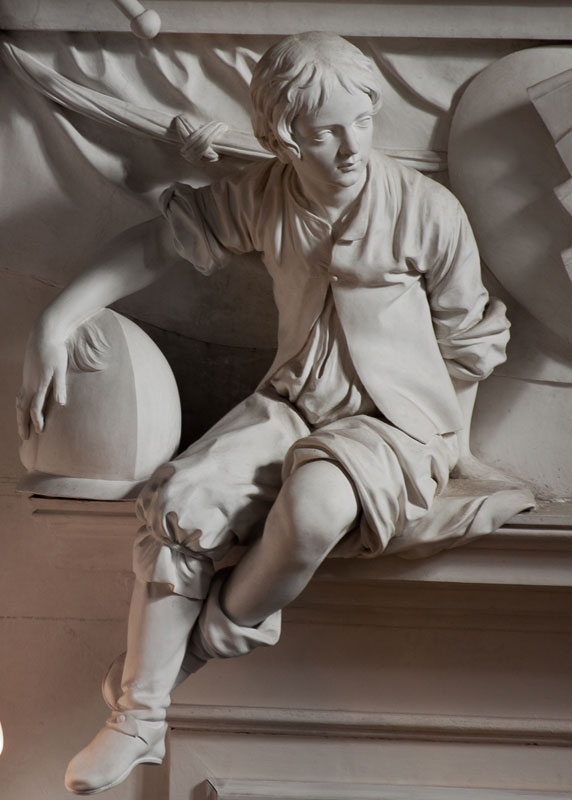
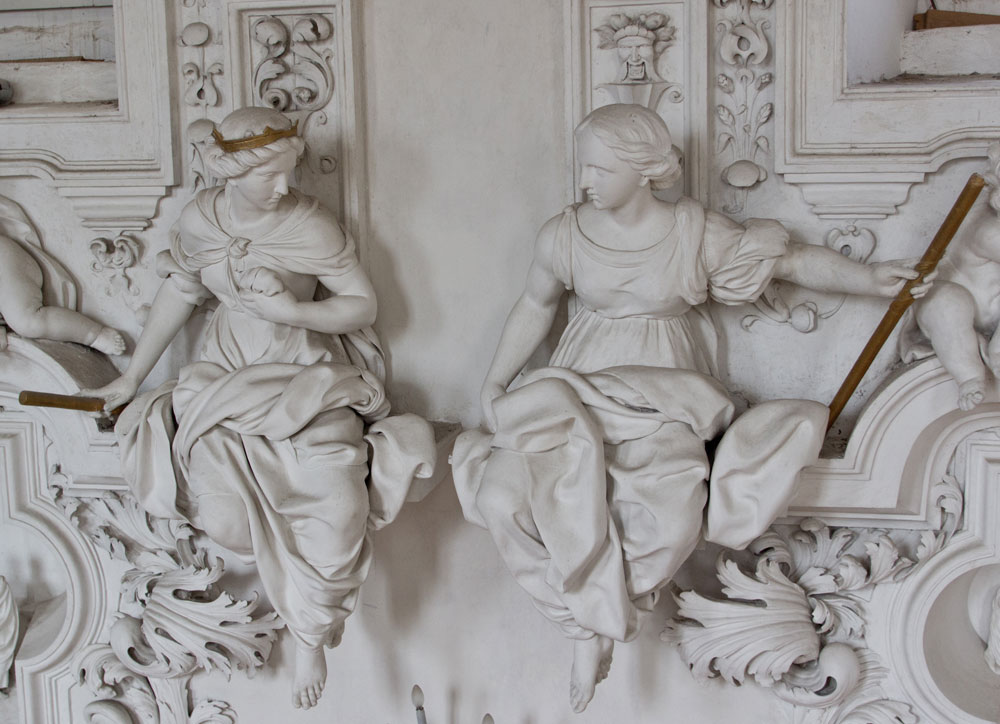
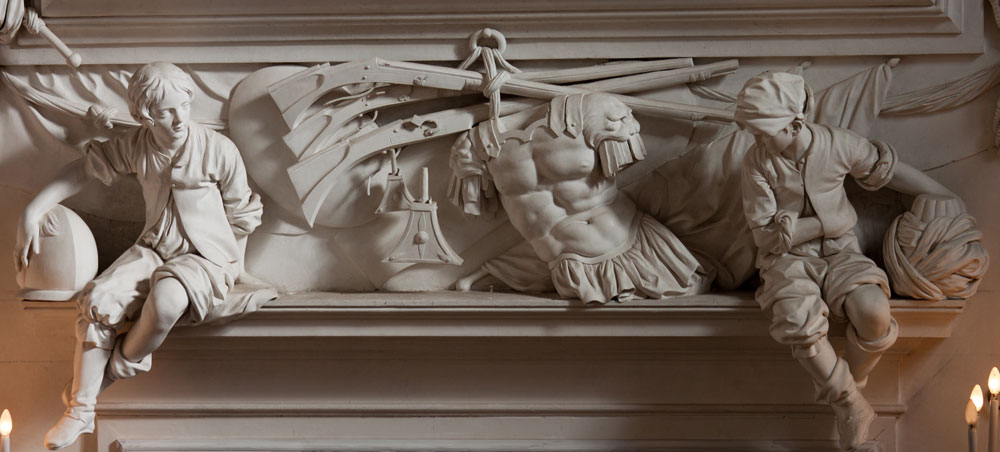
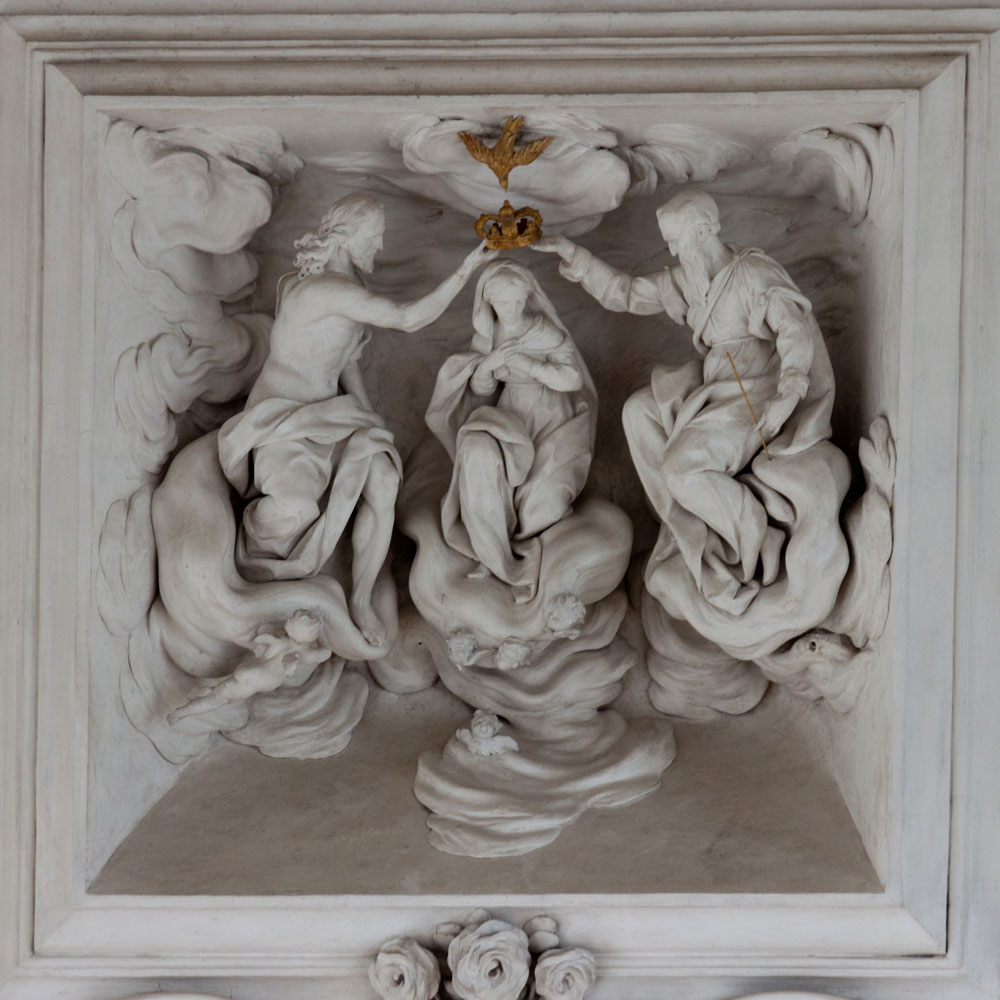
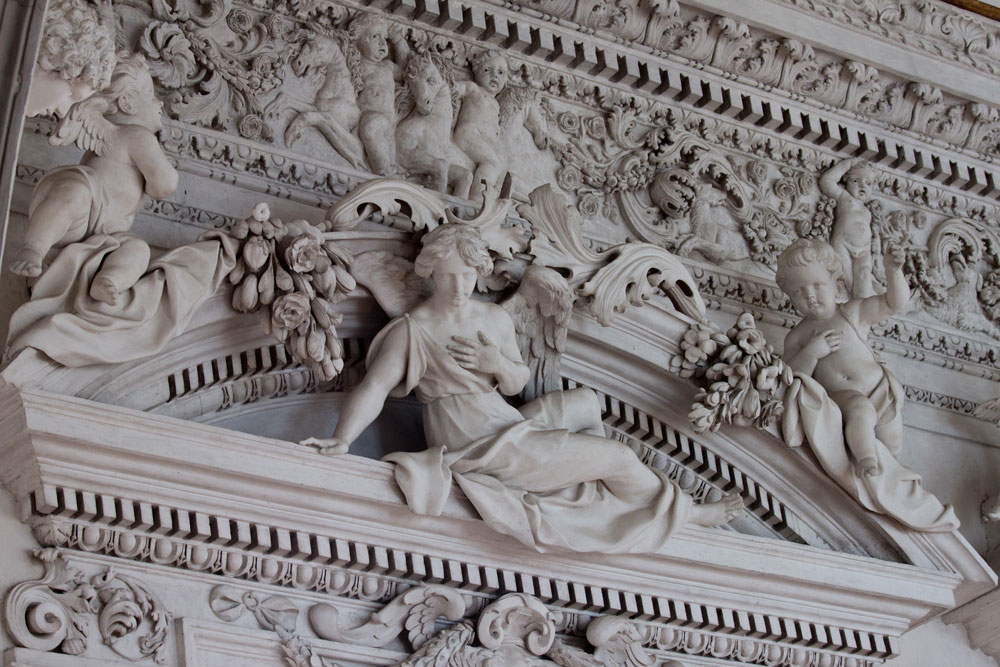
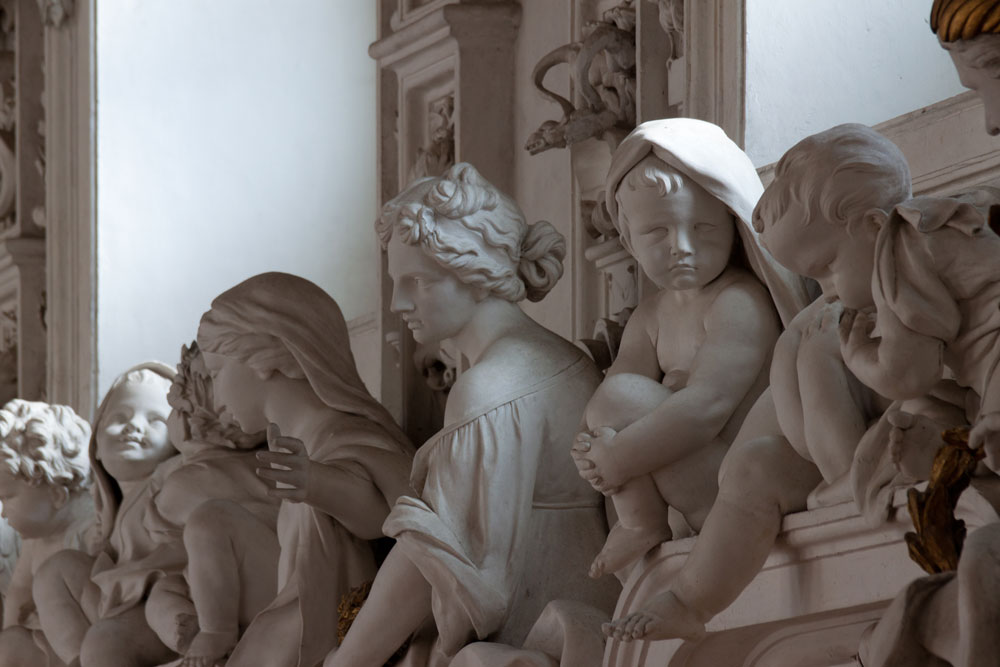
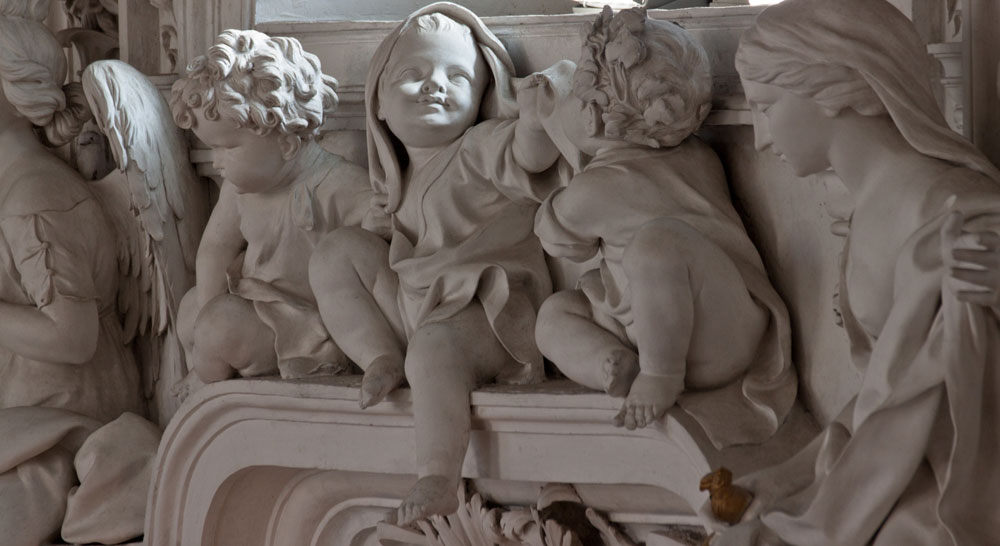
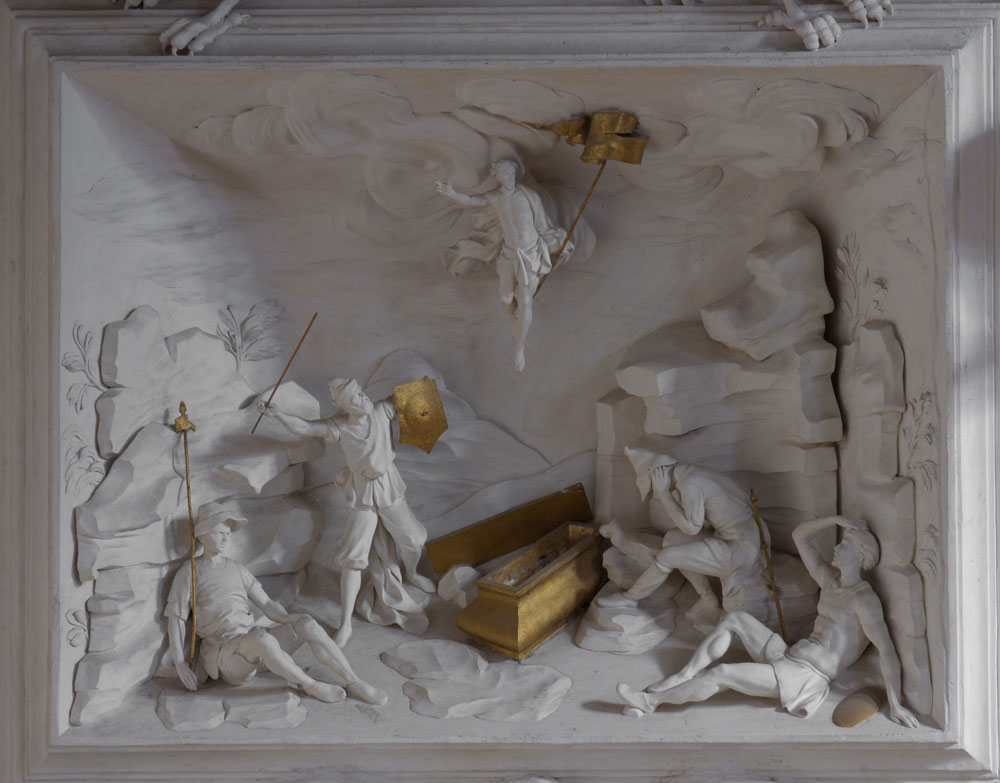
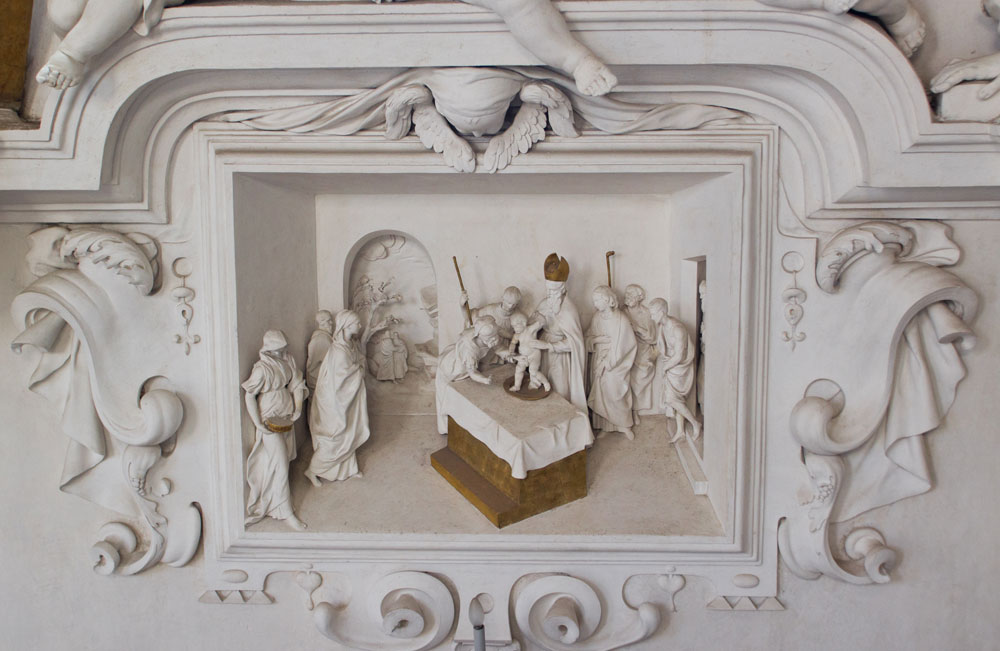
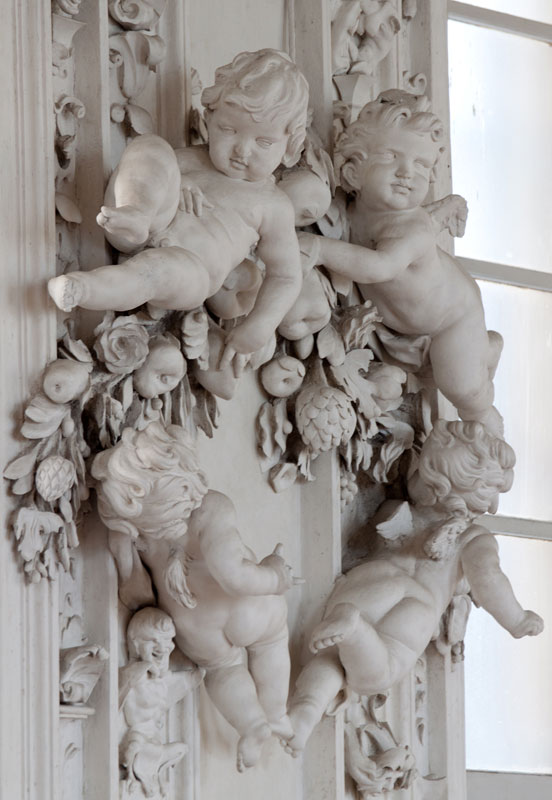
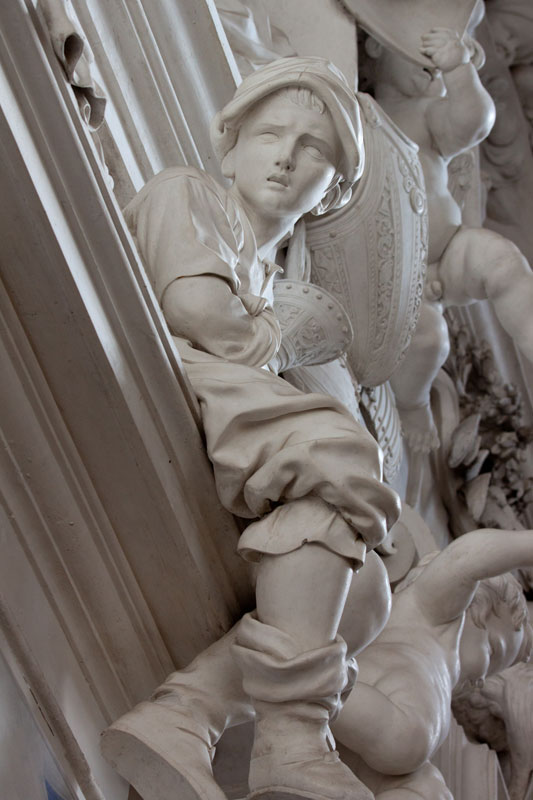
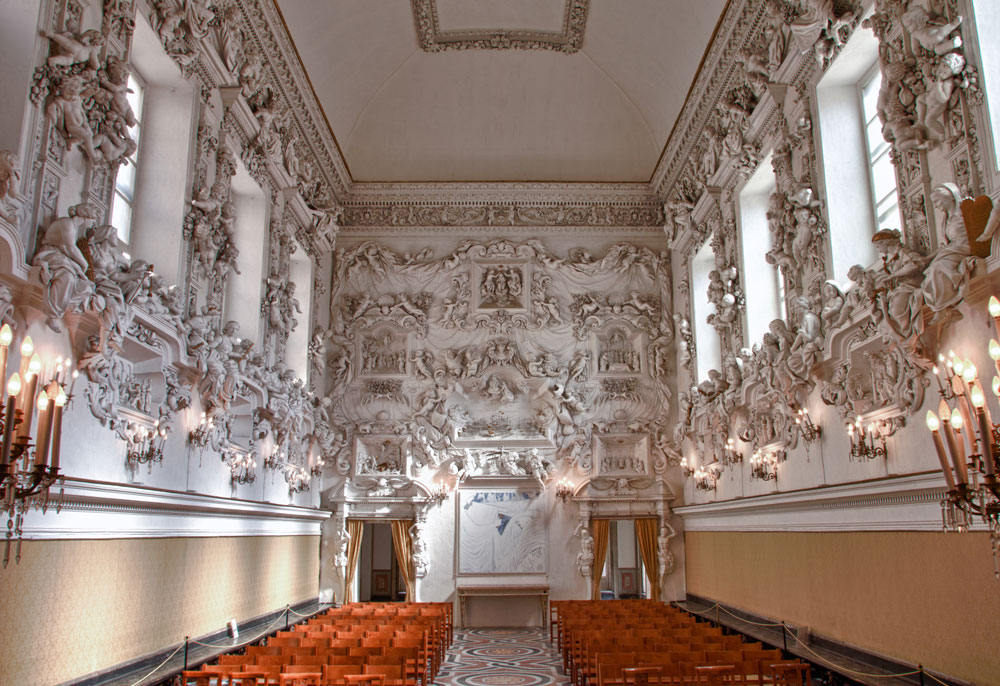
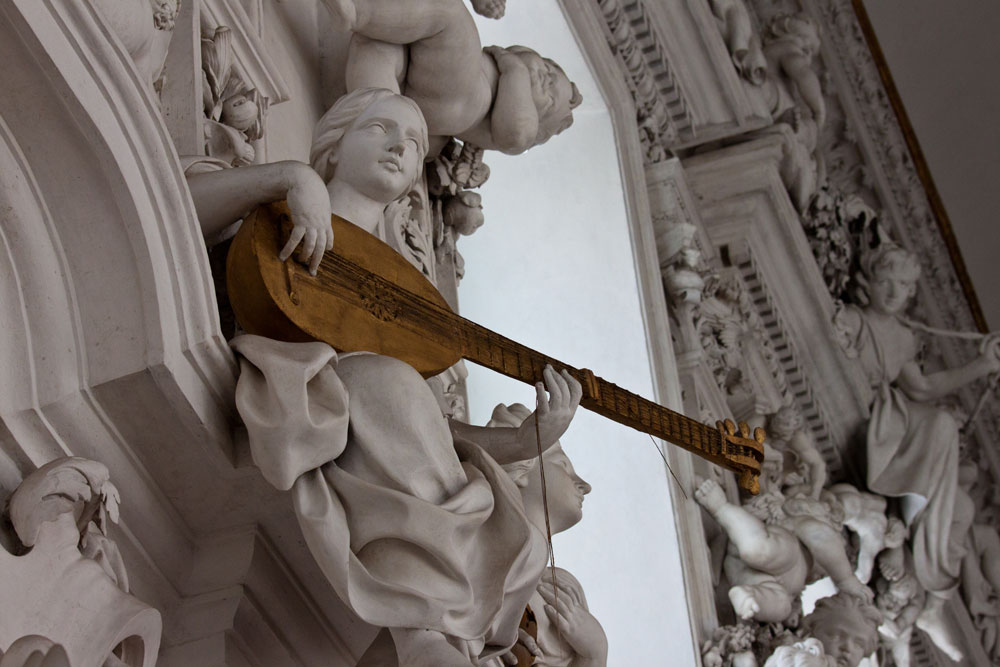
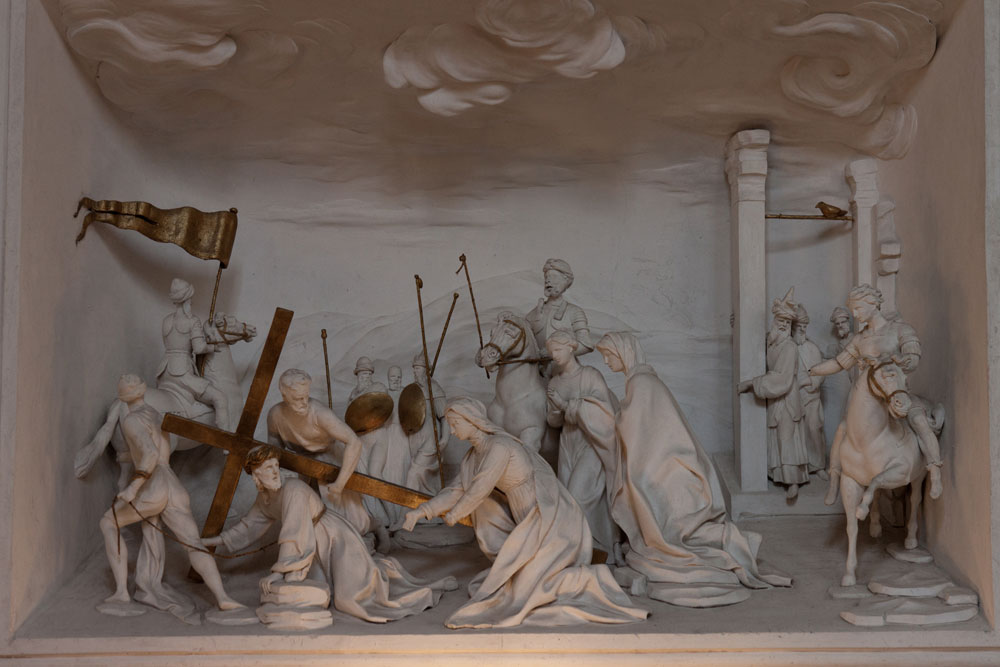
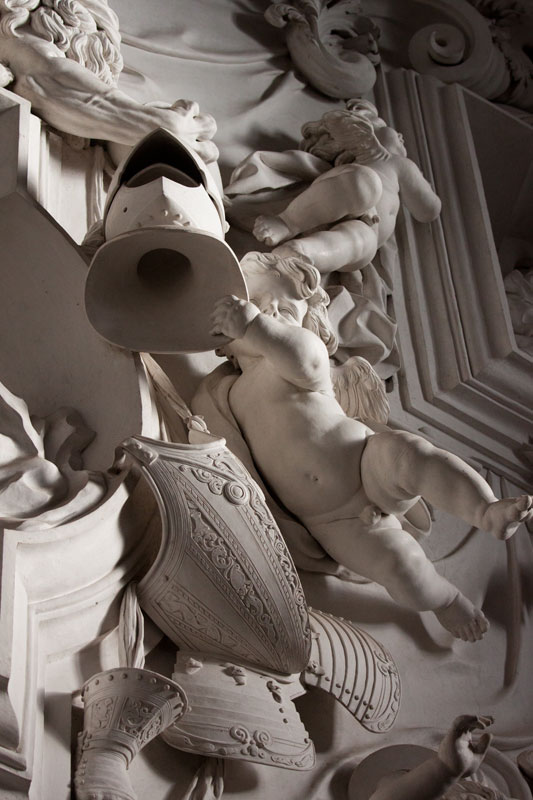
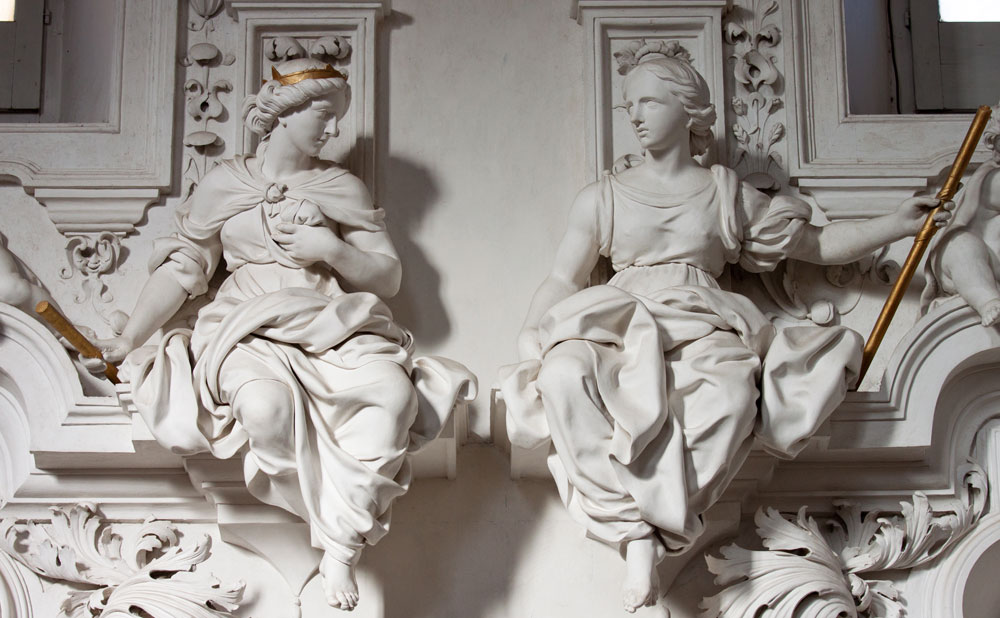
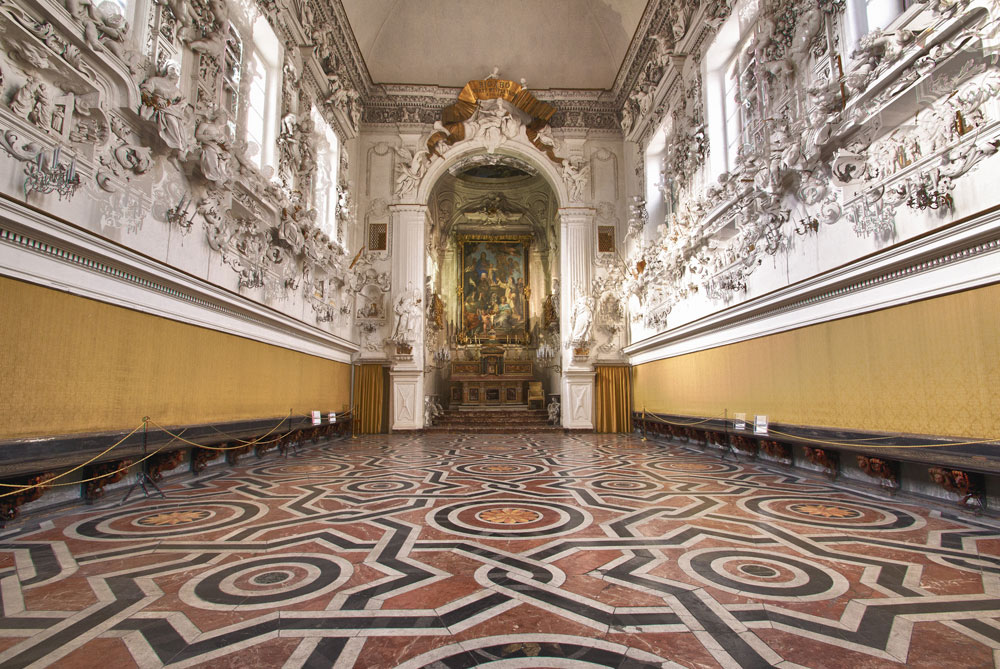
The Oratory of Santa Cita reflects the typical layout of an oratory as a place of assembly and worship, with a dual liturgical and social function and a sharp architectural contrast between its very modest exterior and its splendidly adorned interior. The site is accessed through a small portal surmounted by a marble shield which, via a staircase, leads to a majolica-tiled balcony overlooking two late sixteenth-century marble portals. A large antechamber leads to the oratory hall, magnificent in its refined Baroque procession of expertly crafted stuccos created by GIACOMO SERPOTTA, who was commissioned between 1685 and 1690 to embellish the entire ecclesiastical space with an iconographic apparatus based on the exempla of the Mysteries and the Virtues. The rectangular hall has the identifying features of both a liturgical and an assembly space: the seat of the Superiors between the two access doors, the raised altar in the presbytery area, and the wooden stools in ebony inlaid with mother-of-pearl on the long walls where the confreres sat to attend religious ceremonies and meetings. On the side walls, a refined sculptural cycle, composed of putti, allegorical statues, and small theatrical scenes, illustrates the Joyful and Sorrowful Mysteries. On the inner facade are the Glorious Mysteries.
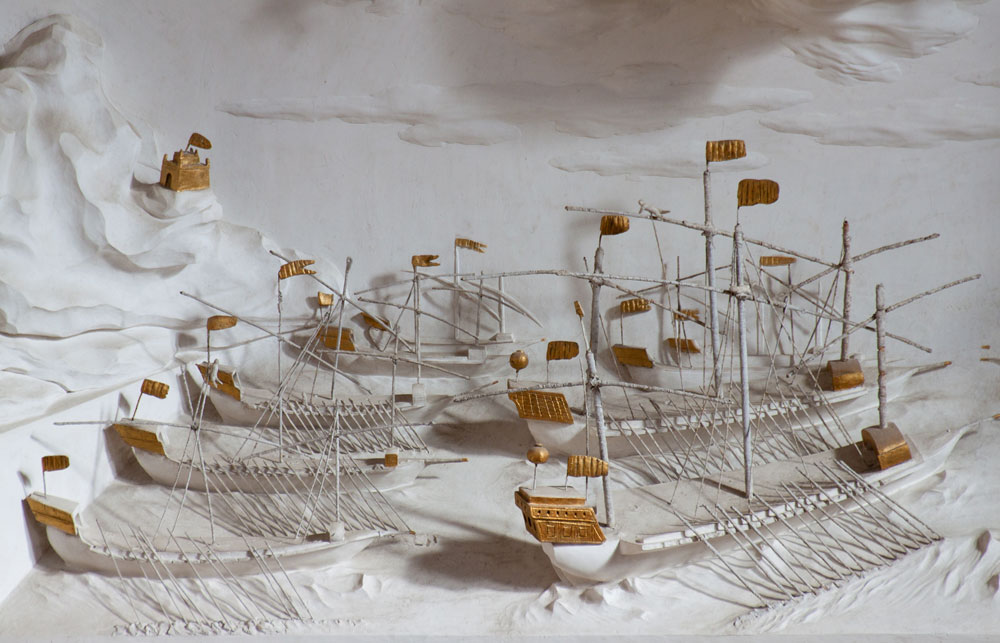
The oratory's pivotal event, depicted in the center of the inner facade in the apse area, is the historic Battle of Lepanto in which the Christian fleet, protected by the Madonna of the Rosary, triumphs over the Turks. The quadrangular presbytery basin was decorated by Serpotta between 1717 and 1718: the intervention was deemed necessary to enhance the magnificent canvas depicting the Madonna of the Rosary painted by CARLO MARATTA in 1695 and placed on the altar.
Where is St. Cita's Oratory


Opening hours
Daily: 10:00 AM – 6:00 PM (last admission 5:45 PM). Closed on Tuesdays
Photo gallery